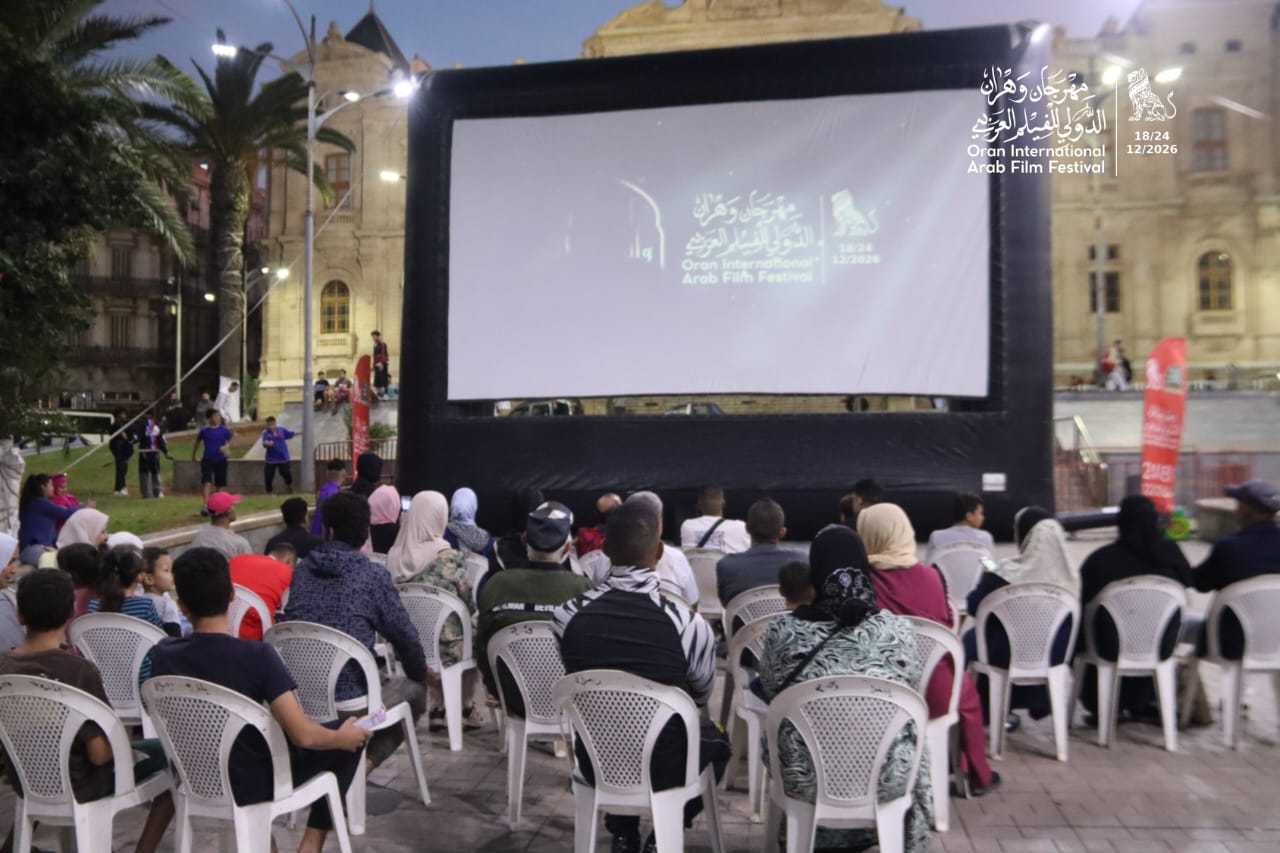


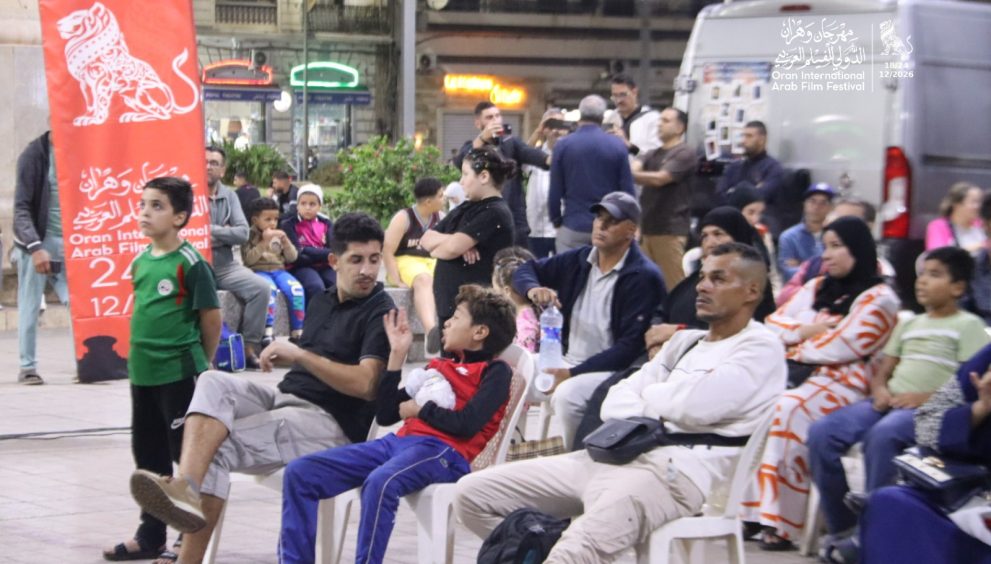
A giant screen took place in the heart of the 1st November square, in Oran, captivating the eyes of passers-by and visitors of El Bahia, who gathered around it for a unique autumn evening.
The square was no longer a public space; it had transformed into an open-air screening venue, marking the first step of the “Ciné Pop” film caravan.
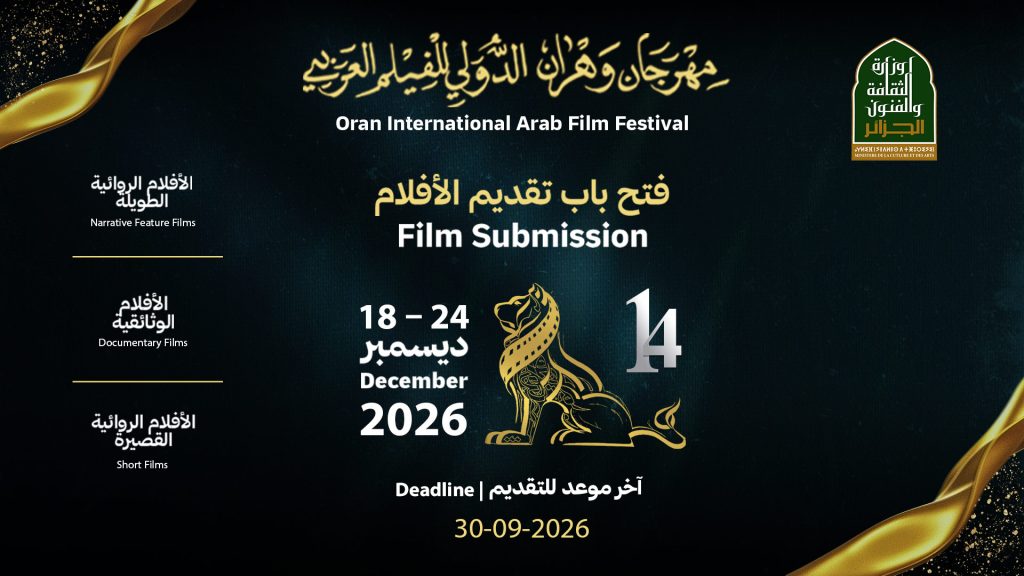
This innovative initiative, launched by the organizing committee of the Oran International Arab Film Festival in partnership with the Directorate of Culture and Arts, aims to forge a link between cinema and national memory. It is part of the celebrations of the 72nd anniversary of the outbreak of the glorious Liberation Revolution, while also laying the groundwork for the 14th edition of the festival.
The reactions of passers-by were varied: some stopped, intrigued and attracted by the brilliance of the immense screen, while others, passionate about history and cinema, came specifically to attend the screenings. Everyone welcomed this initiative, which transformed the 1st November square into a real open-air cinema.
The event kicked off with short films centered on the theme of the Revolution. The audience had the opportunity to enjoy remarkable works such as “Hamsat al-Fajr” (Whispers of the Dawn) by Kamel Rouini, “Al-Allam” (The Flag) by Ahmed Agoun, and “Zahrat al-Sahra” (The Desert Flower) by Oussama Ben Houssine. These films are part of a selection of 11 short films that will tour nine districts within the province, until November 2nd. In this regard, Bouchra Salhi, Director of Culture of Oran, explained that this caravan reflects the commitment of the Culture and Arts sector—as well as the festival organizers—to bring art closer to the public. She noted that because the event coincides with the commemoration of the glorious Revolution, the selection of revolutionary-themed films serves as a fitting way to revisit heroic deeds and the sacrifices that were made.
For his part, Larbi Lakhal, commissioner of the festival’s 14th edition, stated: “This tour is part of the preparations in the field; it aims to bring cinema closer to the public and to film enthusiasts, while creating a space for interaction that allows the community to feel the imminence of the festival. The event is therefore not confined to its official dates, but extends through field initiatives and unique experiences—including screenings in specific locations that we will reveal at a later time.”
 The public’s response to this initiative revealed a keen enthusiasm for cinema. Abdelkader Kchiti, a heritage researcher, believes that setting up screens in public squares breaks down the barrier of elitism: “Large fringes of the population do not have the opportunity to visit movie theaters. The 1st November Square—a true central crossroads—made it easy for families to attend. The primary goal is to revive national memory among the younger generation.”
 This opinion is shared by Abderrahmane, an audiovisual graduate, who highlights that the initiative contributes to an understanding of the historical trajectory of the Revolution through contemporary filmmaking approaches.
 As for the renowned theater figure Mohamed Adar, he sees this space as a true breath of fresh air for families, offering them a moment of relaxation and escapism.
 Theater director Yahia Zine Eddine Ben Hammou noted the impressive presence of citizens, despite the cool night air, suggesting that moving the festival out of enclosed venues is a step toward restoring Oran’s glorious cinematic past.
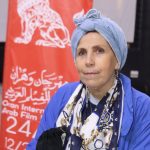 The emotional dimension was also significant: Ms. Saliha Ibrahimi, an expatriate visiting Oran, expressed her admiration for an initiative that raises awareness among younger generations regarding the sacrifices made by martyrs and strengthens their pride in their national identity.
 Meanwhile, Ms. Ismahene Khelifi, an Oran resident and film enthusiast, described the project as an original approach to bringing cinema closer to the public, noting that simple curiosity is enough to attract passers-by and offer them the opportunity to discover history through film.
The speaker also highlighted “the importance of short films in raising awareness about historical milestones and locations that contributed to the Liberation Revolution,” adding that screening them in public squares allows audiences to combine entertainment with cultural enrichment.
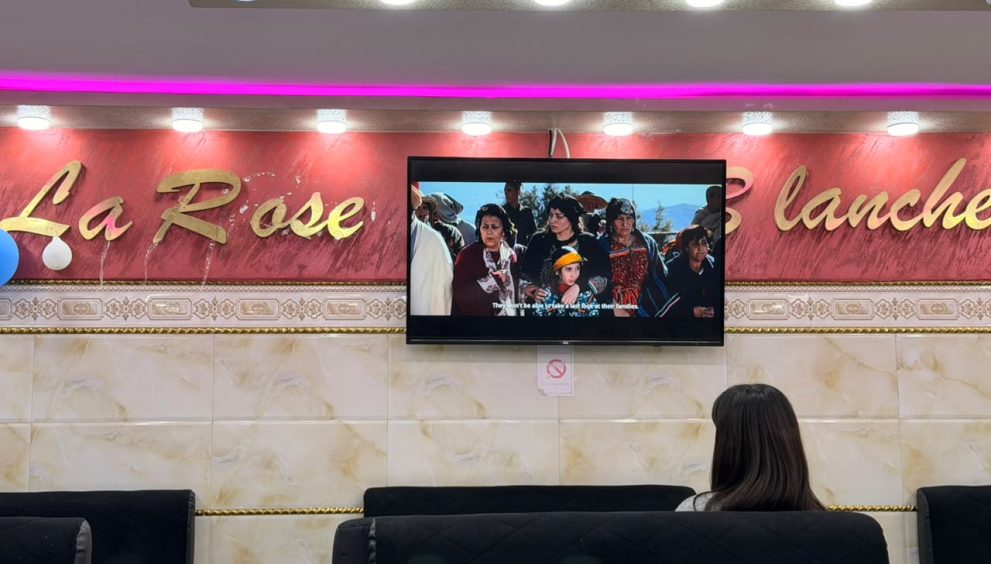
While the applause rang out at the end of this first step, the “Ciné-Pop” caravan packed up to reach its second destination : the Gdyel municipality… The adventure continues, carried by the magic of cinema.
Habiba Gharib